OSHA regulations might feel like strenuous paperwork, creating a roadblock between you and the actual work. But remember, regulations exist because manufacturing floors are hazardous. Forklifts, chemicals, presses, high heat – these are real hazards. And so are the repercussions when employees are improperly trained to handle them.
Whether you’re an owner of a newly launched machine shop with 20 workers or handling an expanding business with numerous workers, understanding OSHA training requirements is unassailable. This guide will break it all down for you in simple language.
Why OSHA Training is Mandatory
OSHA – the Occupational Safety and Health Administration– was established with a simple mandate: to provide safe and healthy working conditions to workers in America. To manufacturers, this implies that you are legally obliged to educate your employees on the dangers they encounter and the steps that are in place to safeguard them.
The negligence of OSHA training requirements does not merely expose workers to danger. It puts your whole business in jeopardy. OSHA fines may go up to tens of thousands of dollars per violation. More to the point, an untrained employee is a liability that cannot be compensated with a fine at all.
The Chief Areas of Mandatory Training
If someone is talking about manufacturing safety compliance, they are referring to a set of standards relevant to the production ecosystem. Let us get through the major ones.
Hazard Communication (HazCom)
If your facility utilises chemicals, i.e., cleaning agents, lubricants, solvents, coatings, etc., then each employee who works with or in proximity to those materials must be trained on the Globally Harmonised System (GHS) for hazard communication. This involves knowing Safety Data Sheets (SDS), identifying hazard pictograms and knowing how to behave in case of exposure. This is among the most common OSHA violations in the manufacturing industry.
Lockout/Tagout (LOTO)
The machines that can accidentally become energised during the time a person is working on them have injured and even killed workers. Lockout/ Tagout training will help to make sure that the employees are aware of how to properly de-energise, lock and tag equipment before any maintenance is undertaken. This training is mandatory in case your facility has any machinery that needs to be serviced.
Personal Protective Equipment (PPE)
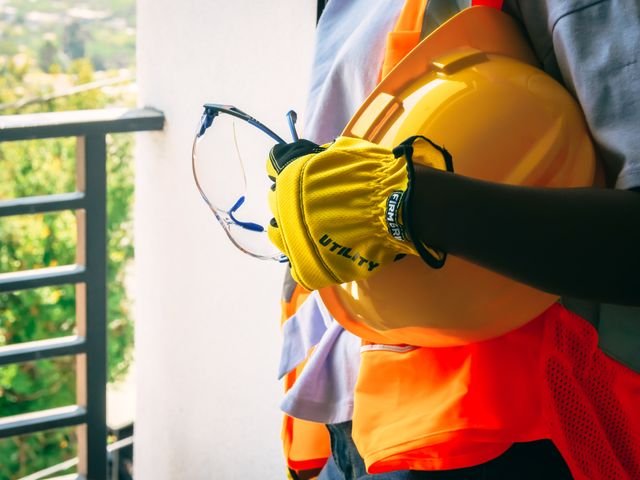
Employees must understand which type of PPE to wear, when to wear it, and, most importantly, how to put it on. A hard hat worn backwards or gloves that do not fit make their use completely pointless. OSHA mandates employers to perform a hazard risk assessment and document PPE training for the workers.
Emergency Action Plans (EAP)
Your employees must understand what to do in case of an alarm. Be it a fire, chemical spill or other emergency, OSHA mandatory training calls on employees to know the emergency action plan of your facility, such as evacuation routes, assembly points, and reporting persons.
What Does an “Adequate Training” Look Like
Most manufacturers miss the point here. OSHA not only mandates holding a training session, but it also requires training to be effective. So, training needs to be delivered in a language and vocabulary that the workers really understand, and it has to be at a literacy level that suits your workforce.
Giving a person an English pamphlet when he mainly speaks Spanish does not satisfy the obligation. Also, a video that workers watch on their first day and never again is not enough. Employee OSHA training should be an interactive experience, well-documented, and reinforced with refreshers and a safety culture.
Shaping a Culture Beyond Simple Checklists
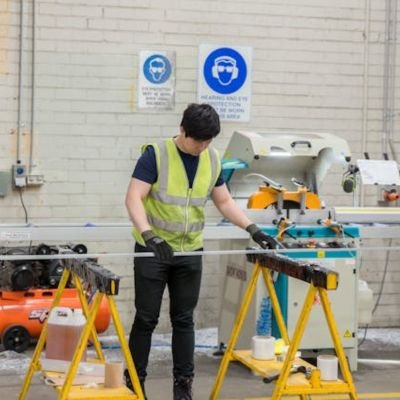
The most productive manufacturing operations recognise that OSHA training is not just an annual compliance task to be done; instead, they integrate it into their daily work routines through various channels such as toolbox talks, near-miss reporting systems, and prominently displayed safety signs.
Leadership shows that manufacturing safety compliance is not only a matter of preparing for an inspection but is a daily practice; in response, workers also start thinking that way. It is at this point that safety moves from just being a rule to being a value.
Besides, it is also a smart business move. Firms that foster top-notch safety cultures report less staff turnover, fewer insurance claims, less downtime due to injuries, and overall high spirits. Being safe is being productive, after all.
Recruitments, Job Changes, and Transfers
Training is not a one-time event when linked to onboarding. OSHA demands that employees be trained on how to deal with hazards before they are exposed to them, which means any time a person switches to a new role, starts using new equipment, or is transferred to a different floor, their training should be updated to contemplate the new risks.
This is quite an important point in a manufacturing setting where workers might change stations where they work or get promoted to supervisory roles. For example, a line worker turning into a team lead will have new duties, one of which is to look after OSHA compliance training requirements for the people under surveillance.
The Best Place to Start if You’re Behind
If you realise today that your training program has loopholes, don’t panic – but don’t take it lightly either. Initiate a training needs assessment: go to the floor, observe the dangers, and compare them against your existing training records. Where are the gaps?
OSHA’s official site (osha. gov) offers free resources such as training materials, compliance guides, and an On-Site Consultation Program that enables small and medium-sized businesses to obtain a free, confidential safety review without the risk of penalties. This is no less than a golden opportunity.
You can also partner with certified safety consultants or use OSHA-approved training providers to conduct/supplement your in-house training programs. The critical factor is to make OSHA mandatory training a real, active part of your business – not a neglected binder on a shelf.
Concluding Thoughts
Employee OSHA training is not just a way to avoid getting fined. Firstly, it’s a way to show respect to your employees and their families, as well as the responsibility that you have taken on when employing people in a manufacturing environment. The rules should not be looked at as your enemies. If you include them in your work routine properly, they can strongly direct you towards a safer and more robust business.
Begin with the essentials, keep proper records of everything, make your communications straightforward, and always look for ways to improve. This is how manufacturers who know how to do it correctly view safety – and it is the norm that every production floor in the country should strive for.